
SEO for the trades
SEO for the trades
that keep homes running.
Help homeowners find the right service, understand your work, and request an estimate. A focused approach for roofing, HVAC, plumbing, electrical, and remodeling companies.

Different trades. Different decisions.
Build the page around
the job being considered.
A homeowner’s search often begins with a specific need: a leaking roof, an unreliable system, a repair, or a planned improvement. A useful website helps the customer understand whether your company is the right fit for that need.
The campaign should reflect the services you actually deliver. Separate urgent requests from planned work, explain coverage and availability accurately, and make the estimate process clear. The following are planning examples, not claims about existing clients.
Roofing SEO
Repair, replacement,
and inspection need clarity.
Repair · Replacement · Inspection
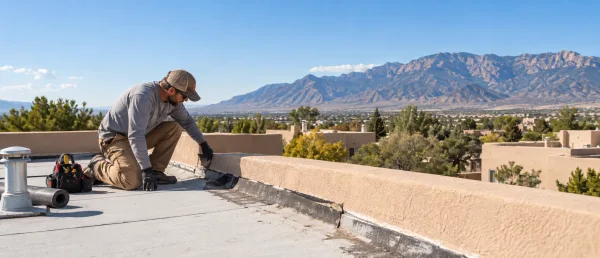
Roofing pages should distinguish the work the company takes on. A leak repair, a full replacement, and an inspection have different starting questions. Explain relevant roof types, the assessment process, and how a homeowner requests an estimate, using only details that the business confirms.
Original project photographs and permissioned case studies can show the scope of real work. Avoid unsupported claims about storm damage, insurance outcomes, or emergency response. Measure repair and replacement inquiries separately when that distinction helps the business choose priorities.
HVAC SEO
Match the service
to the customer’s need.
Repair · Maintenance · Installation
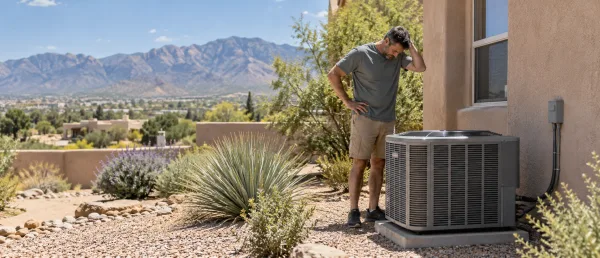
Heating and cooling content should make repair, maintenance, and installation easy to distinguish. Describe the systems and jobs the team supports, how service begins, and what information a customer should provide.
Seasonal priorities should reflect staffing, available appointments, and the type of work the company wants. Do not advertise round-the-clock service unless it is real. Use lead feedback to learn whether a page attracts the intended service requests.

Your work can tell the story
From the job site
to the service page.
Photograph the finished work. Explain what the team did. With permission, use those details to help the next homeowner understand your services.
Plumbing SEO
Explain what the team
can help with.
Leaks · Drains · Water heaters
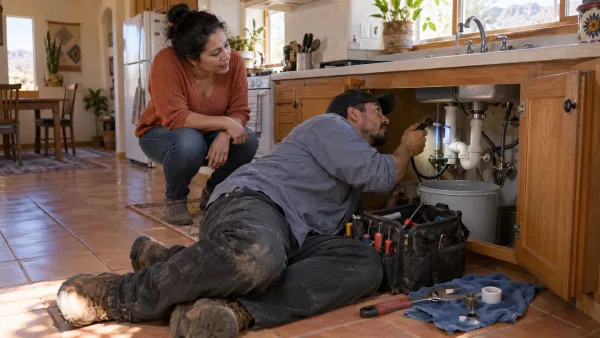
A plumbing company may handle drain problems, leaks, fixture work, water heaters, or other specialties. Service pages should explain the actual scope rather than treating every plumbing request as interchangeable.
Make coverage, booking routes, and verified availability easy to find on mobile. A clear description can help customers recognize fit before calling. Track the types of inquiries received so content priorities are informed by real demand and the team’s capacity.
The customer journey
Connect the job
to the conversation.
Illustrative plumbing example.
Each step answers the next customer question.
- 01 / The need
“My water heater
Start with a specific problem.
is leaking.” - 02 / The page
Can this company
Explain services and coverage.
help at my address? - 03 / The inquiry
Here’s the problem.
Make the contact process clear.
What happens next?
Close the loop. Feed real customer questions back into the page. Track service fit and location alongside inquiry volume.
Electrical SEO
Make specialist work
understandable.
Faults · Panels · Installation
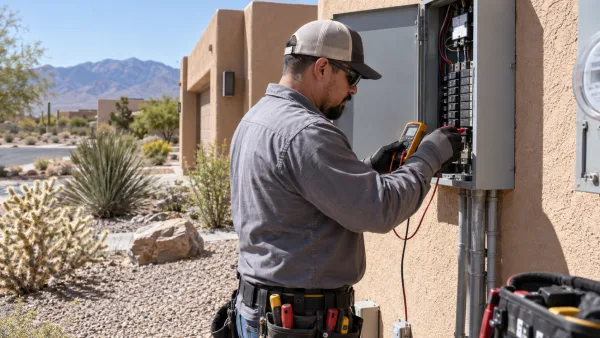
Customers may be comparing panel upgrades, fault investigation, installation work, or specialty services. Explain the work in terms a homeowner can understand and distinguish residential from commercial coverage where relevant.
Use accurate licensing, credentials, and safety information supplied by the business. Show real projects when permission allows. The website should help someone request an assessment without implying that an online description replaces professional inspection.
Remodeling SEO
Qualify the project
before the consultation.
Kitchens · Bathrooms · Additions

Remodeling customers need to understand project types, the planning process, and whether the company takes work like theirs. Clear kitchen, bathroom, addition, or whole-home information can help when those services are genuinely offered.
Use original project images with context about the work performed. Explain the steps from inquiry to consultation without promising a price or schedule that has not been assessed. A form can collect the project type, location, and goals so the conversation begins with useful information.
Albuquerque and Rio Rancho
Reach the places
your crews can serve.
Service territory is an operating decision as well as a marketing choice. Consider travel, scheduling, job size, and capacity when deciding where to focus. Companies based in Albuquerque can pursue suitable Rio Rancho work without claiming a second office.
Use a dedicated location page when it answers a distinct need. Do not create a separate page for every neighborhood simply because its name can appear in a search. See the Rio Rancho SEO approach and the metro service-territory map.
Define a useful inquiry
Give marketing
a business feedback loop.
Agree on what makes an inquiry qualified: the requested service, location, project fit, and the team’s ability to take it on. Then review calls and forms against that definition. A rise in inquiries is not automatically progress if most are for work the company does not offer.
Useful reporting connects the search campaign with estimates, proposals, and booked work where tracking permits. Your sales feedback can reveal missing information, confusing service pages, or a need to change priorities. Read how local SEO research, content, and measurement fit together.

Where do you want
your next jobs to come from?
Start with your services, your territory, and what a good inquiry looks like.